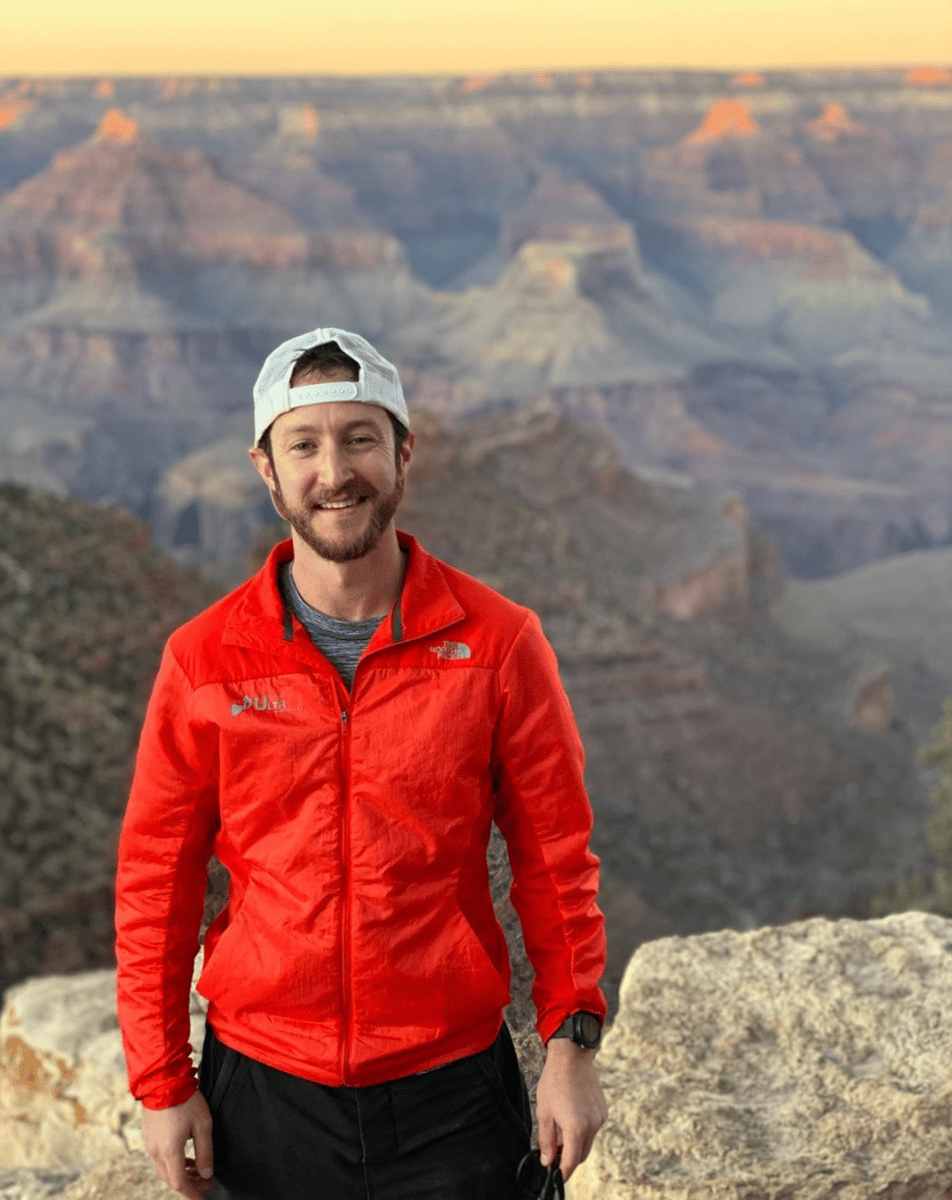
Caroline Gleich is a professional ski mountaineer, endurance athlete, and the 2024 Democratic nominee for U.S. Senate in Utah. She's also become one of the most visible voices opposing the fight over a proposed Utah data center and the strain it puts on the state's air and water. So when she came on For The Long Run, I expected the conversation about AI to be adversarial. It wasn't.
Instead, Caroline made a more interesting argument: she uses AI, she pays for it, and she still believes it may replace her — and that's exactly why she wants rules around it. For an endurance and outdoor audience full of athletes who make part of their living from sponsorships and content, it's a warning worth sitting with.
Key findings
She's not anti-AI. Caroline uses AI tools and pays for a Claude subscription. Her position is for responsible AI with guardrails, not against the technology.
She thinks it may take her job. Brands could replace athlete photo shoots and video work with their own AI-generated avatars.
The disclosure gap is the real problem. There's no requirement to label a synthetic influencer, so audiences often can't tell a real human from an AI one — and "shame" can't work without disclosure.
Follow the money. These models are trained on everything creators have published; she wants name/image/likeness protection and profits flowing back to the people whose work trained them.
Is Caroline Gleich anti-AI?
No — and that's the part most people get wrong. "I also use AI. I love technology," she said, pointing out that she's been online since blogging in 2007. "I use Claude, I pay a monthly subscription."
Her frame is that the choice isn't binary. "I don't think that you're either pro AI or pro-water," she said. "What I am for is responsible and ethical AI." The opposition isn't to the tool; it's to deploying it at massive physical scale — 40,000-acre data centers in a drought state — with no rules attached to the technology itself.
Will AI replace professional athletes and creators?
Caroline thinks it's coming for her line of work directly. "AI will probably take my job, honestly," she said. The mechanism is simple: the way pro athletes earn — brand photo shoots, video, licensed content — is exactly the kind of work a brand could hand to a synthetic avatar.
What is stopping a brand from just creating their own AI avatar to do that? Brands will totally do that.
My pushback was that audiences have taste — that people will penalize brands who fake it. Caroline's answer stopped me: taste only works if you know what you're looking at.
What are synthetic influencers — and why don't people know?
This is the crux of her concern. "There's no label requiring you to disclose if someone is AI generated and synthetic," she said. "People do not know the difference between a real human and a synthetic AI human." Brands are already building large followings around synthetic personalities to sell products, and it improves every day.
I said I hoped we could bring back shame — that we could call out brands who do this. Her reply: "Shame's not gonna work if there's no disclosure. People don't know." Without a disclosure standard, there's no line to police in the first place.
Should AI companies pay for the content they train on?
Caroline's sharpest argument is about ownership. The models, she notes, are trained on everything creators have ever put online. "Everything I've ever put out on the internet, AI is being trained on," she said — and nothing currently stops a company from lifting a video of her to sell a product.
Her proposed fix is structural: name, image, and likeness protection, plus profits routed back to the people whose work trained the systems. She floated the idea of an "AI fund," on the logic that a lot of people are going to lose work to this and the value was built on their creations in the first place.
It's worth noting where this connects to my own world. I built a study on the state of AI in endurance, and I'm bullish on AI as a measurement and structure tool. Caroline is fighting AI's physical and economic footprint. Those two things sound opposed, but they aren't: you can use a technology and still insist it operate with rules. That's the whole conversation.
What guardrails is Caroline Gleich actually asking for?
Her ask is specific and, notably, not "ban it":
Disclosure — a clear label when a person is AI-generated or synthetic.
Digital privacy protection and protection for people's name, image, and likeness.
Paying the real cost — companies covering the water and air impact rather than getting it for free.
Profits back to people — because the training data is everyone's work.
She likened the moment to the early days of Big Tobacco: an industry moving faster than its accountability. Her point isn't to stop progress; it's that guardrails should arrive before the 40,000-acre buildout, not after.
What can creators and outdoor people actually do?
Caroline's call to action was deliberately small: pick one issue and do one thing. For the outdoor crowd, she pointed to Patagonia Action Works as an easy on-ramp — enter your zip code, find a local grassroots group, sign up for one email list. "Action leads to action," she said. Do one thing, make it a habit, and let it build.
Frequently asked questions
Does Caroline Gleich use AI?
Yes. She uses AI tools and pays for a Claude subscription, and describes herself as an early technology adopter. Her position is for responsible AI with guardrails, not against the technology.
Why does Caroline Gleich think AI will take her job?
Because much of a pro athlete's income comes from brand photo shoots, video, and licensed content — work a brand could replace with an AI-generated avatar rather than hiring a real athlete.
What are synthetic influencers?
AI-generated personalities that brands use to build followings and sell products. Caroline's concern is that there's no disclosure requirement, so audiences often can't tell them apart from real humans.
What is the Utah data center fight?
A proposed large-scale AI data center in Box Elder County, Utah, backed by investor Kevin O'Leary, that drew significant public protest over water use and lack of local oversight in a state under drought emergency. Caroline is one of its most visible opponents.
What guardrails does Caroline Gleich want for AI?
Disclosure of synthetic/AI-generated people, digital privacy and name/image/likeness protection, companies paying the real environmental cost, and profits flowing back to the creators whose work trained the models.
This conversation is part of For The Long Run, where we explore what endurance teaches us about the rest of life.