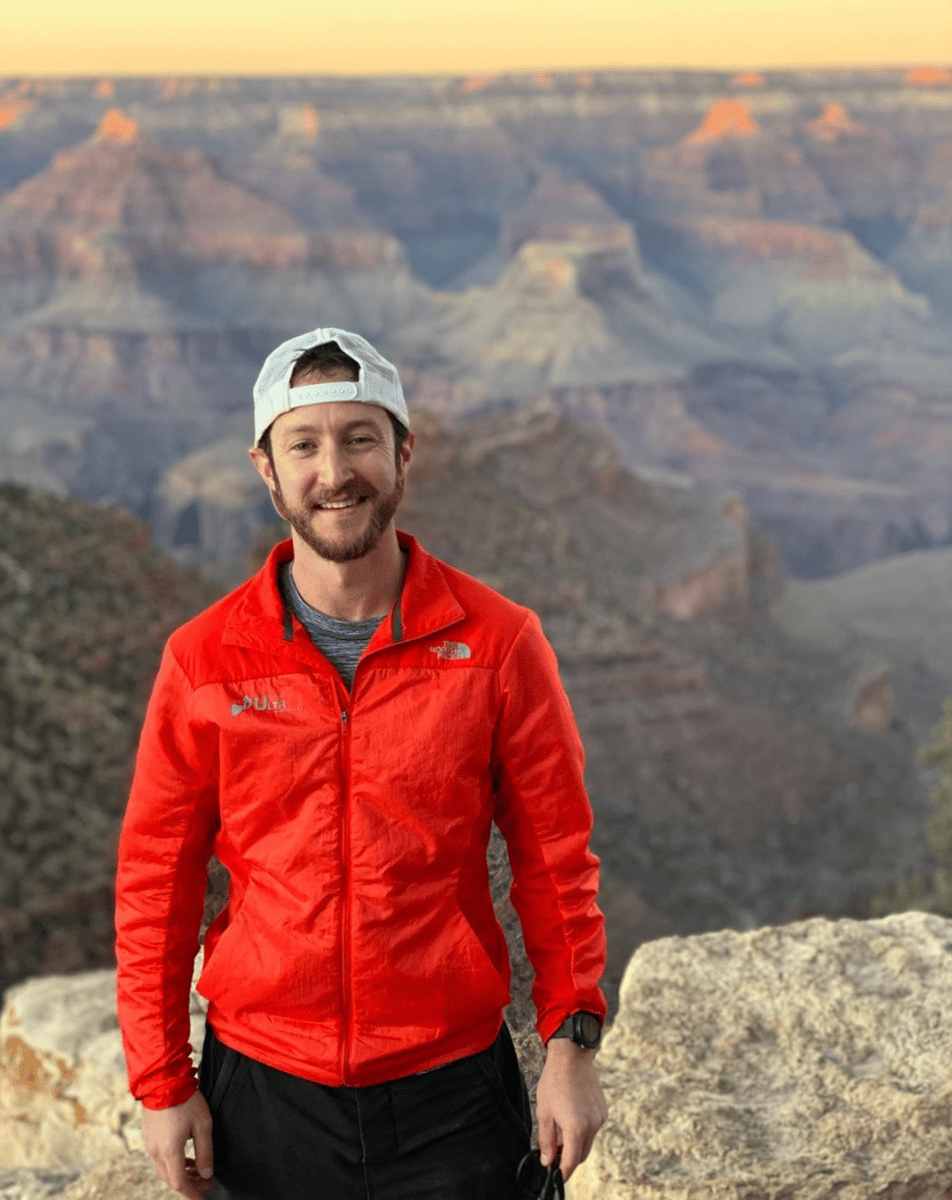

Joe Corcione goes to Disney World multiple times a year. Sometimes alone. He spends five to ten minutes most mornings reading theme park news before he runs. He still plays Roller Coaster Tycoon with his wife. This isn't a bit. He's obsessed, and for a long time he didn't know why.
Last year he was sitting in the park by himself, running the math on how much money and how many trips he'd put into this place over the years, and he finally asked himself the question directly: why do I keep coming back?
🎧 Tune in here:
Listen on Spotify, Apple Podcasts, or other podcast platforms.
The answer, when it hit him, gave him chills. Nowhere else makes him feel the way Disney does. The music, the story, the way every cast member treats him like he matters the moment he walks through the gate. He feels connected. He feels like he's living inside the dream version of his own life.
Then came the question that actually changed how he runs his business: how do I make the people who interact with Everyday Ultra feel that exact same way?
That's when the idea clicked. Joe wants to build the Disney of Ultrarunning.
He's not talking about branding or theme park gimmicks. He's talking about a standard. Every coach at Everyday Ultra operates under one non-negotiable rule: every athlete has to feel like the most important athlete in the world. Not as a nice touch. As table stakes. And the reason isn't just to make people feel good in the moment. It's because Joe sees something true about what a race actually is for the person standing at the start line.
It's not a fitness test. It's a core memory. Months of training, money, fear, and visualization all collapse into a single day that person will carry for the rest of their life. Joe wants to be a small, trusted part of making that day the best version of itself.
That reframes what coaching means to him. He tells his team constantly: we are not in the business of making people better runners. We're in the business of changing lives. When a coach builds a training plan, the point was never just to get someone fit enough to finish. It's to help that person walk away from race day thinking, for maybe the first time, I'm strong. I'm capable. I did that.
Joe believes that feeling doesn't stay contained to running. It shows up in how people carry themselves afterward, in how their friends and family see them, in who they become because they proved something to themselves out on the trail. He compares it to Gandhi's line about being the change you want to see in the world. People don't just admire a big goal. They get inspired to go chase one of their own.
It's a good one to sit with whether or not you're coaching anyone. What are you building that people will remember for the rest of their life, and are you treating it like it deserves that?
Follow Joe Corcione and Everyday Ultra on Instagram and wherever you get your podcasts. Want more conversations like this one? Listen to all of the episodes on For the Long Run Podcast.
New here? Every week I sit down with the most interesting people in endurance sport and turn it into one email worth reading. Come along.
Stay Connected
Subscribe to the For the Long Run newsletter and follow the show on Instagram.
🎧 Tune in here:

Pssssst. Click above to follow along on Substack 👆
About Jon Levitt and For The Long Run
Jon is a runner, cyclist, and podcast host from Boston, MA, who now lives in Boulder, CO. For The Long Run is aimed at exploring the why behind what keeps runners running long, strong, and motivated.
Follow Jon on Instagram, LinkedIn, and Twitter.

1
2