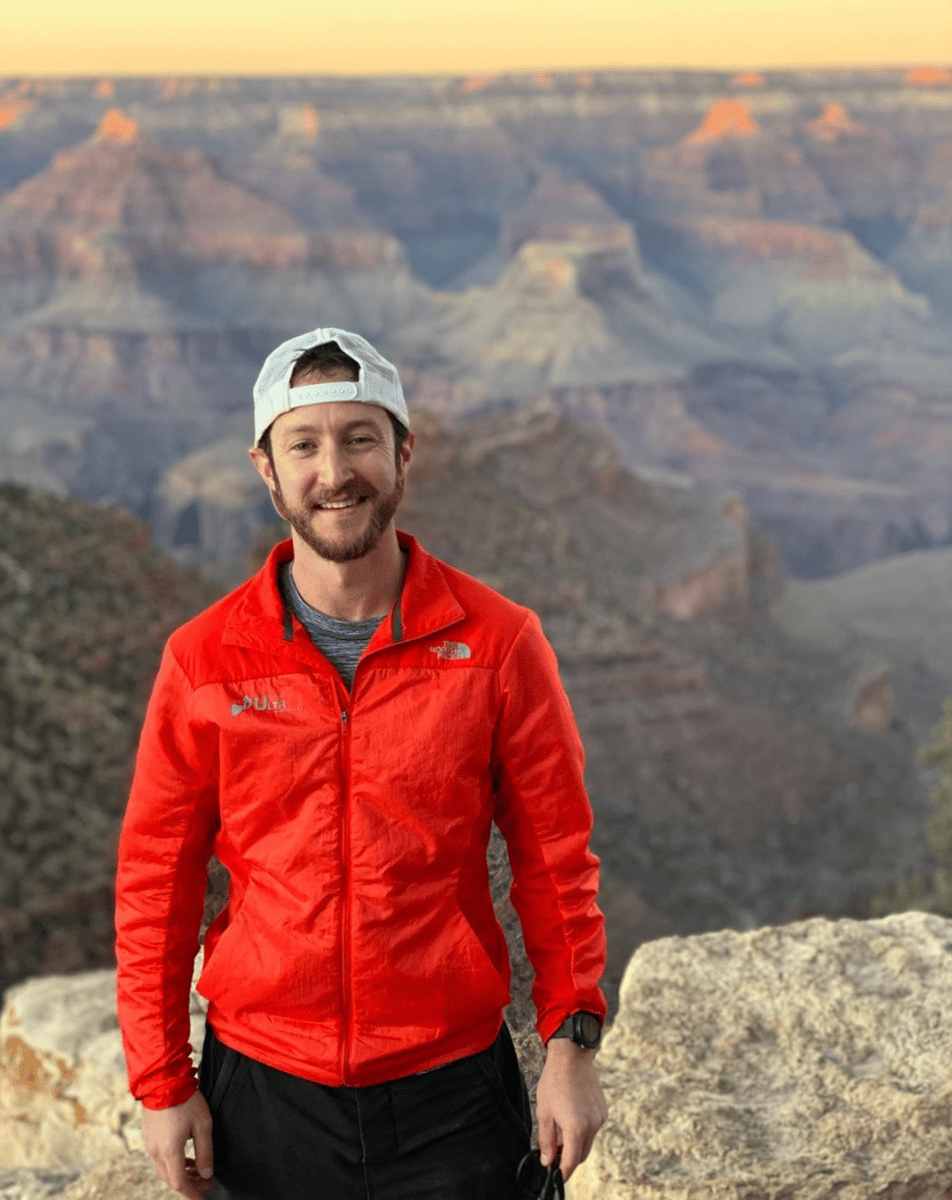
Why Kila Running's Founder Turned Down Easy Sales to Build a Brand That Lasts

Most founders raising money are selling a vision. Cole Zucker is doing the opposite: deliberately slowing down, turning down low-hanging-fruit sales, and building a brand around the athletes at the top of the sport before trying to reach anyone else.
Zucker is the founder of Kila Running, a Los Angeles-based company making custom insoles using iPhone face ID technology and 3D printing. Tom Evans, who won UTMB last year, races in them. So does Anthony Castelli, who came in second at Black Canyon. Zucker spent 12 years building and selling a LED lighting company before this. He tried to qualify for the Olympic trials marathon afterward. He knows what it looks like to build something from scratch, to nearly kill a business multiple times, and to eventually get it right.
This conversation covers insole technology, go-to-market strategy, what he looks for when investing in other founders, and why patient capital is a better fit for outdoor brands than venture.
🎧 Tune in here:
Listen on Spotify, Apple Podcasts, or other podcast platforms.
The Product: Custom Insoles from Your iPhone
Zucker's frustration with orthotics goes back to high school. They were heavy, hard, boring to look at, and the process of getting fitted involved a podiatrist, a crush box, and a lot of friction. Nothing about the category had changed meaningfully in 25 years.
The insight that unlocked Kila was noticing that the iPhone's face ID camera uses LiDAR to measure depth to the millimeter, and a human foot is roughly the same size as a human face. The same technology that prevents identical twins from unlocking each other's phones can accurately scan the contours of your foot. From that scan, Kila designs a custom insole specific to that foot and prints it on a 3D printer using a material called A-TPU, which has energy return properties comparable to the foam in super shoes.
The result is the lightest custom insole available, weighing about 30 grams, similar to the sock liner already in most running shoes. Runners are not just wearing them for injury rehab. They are wearing them because they feel the performance difference.
Why Elite Athletes Come Before Everyone Else
Insoles are not a category people seek out. Nobody wakes up wanting to buy insoles unless they have to. Zucker's answer to that problem is not paid advertising or micro-influencers. It is getting the best runners on the planet to depend on the product before asking anyone else to consider it.
Kila is currently working with roughly 50 to 60 professional ultra runners, shipping product to them quarterly. The logic is straightforward: if Tom Evans is racing UTMB in your insoles and winning, and Anthony Castelli is using them at Black Canyon, the credibility of the product is established in a way a sponsored Instagram post cannot replicate. Credibility from that tier of athlete transfers. A post from a random influencer does not.
Zucker draws the parallel explicitly to the Vaporfly rollout, where Nike seeded the product with elite athletes before releasing it broadly. The playbook is the same: prove it works at the highest level, then let that proof do the selling downstream.
Bootstrapping as a Strategic Choice
Kila is self-funded. Zucker came out of the LED lighting sale with the capital to do it, and he is deliberate about what that freedom enables: the ability to say no to early sales that would compromise the brand.
His first company's near-death experience shaped this thinking. When Green Creative saw strong early demand for a lower-cost product line, they went all in and ordered millions of dollars of inventory. The demand evaporated. Payroll was at risk. The lesson was not to abandon experimentation, but to never go all in on early signal before it has been validated over time.
With Kila, Zucker is running the opposite playbook. Spend the first year building authentic relationships with elite athletes, forego the low-hanging-fruit sales, and arrive at the broader market with credibility already established. That requires the patience that bootstrapping or family office capital allows, and that venture capital almost never does.
What He Looks For When Investing in Others
Zucker now invests in other early-stage founders alongside running his own company. His framework for evaluating them at the seed stage is simple: bet on the jockey, not the horse. It is very rare for an early-stage founder to execute on exactly the plan they pitched. The business usually looks different once it starts moving. What matters is whether the person can adapt, experiment, and find the right path when the original thesis turns out to be wrong.
At later stages the calculus shifts. You have historical numbers, customer reviews, and a track record to analyze. The two things that matter most then are moat, specifically why customers are choosing this product over alternatives and whether that advantage is durable, and execution risk, which includes whether the team will stay and whether they can keep delivering.
His take on venture capital in the outdoor industry is pointed: venture funds need 50x returns. Most outdoor consumer brands cannot deliver that. The better fit is patient capital, family offices, and angels who are runners themselves and understand that building something authentic in this space takes longer and compounds differently than a SaaS business.
Signal vs. Noise, and the Cost of Betting Wrong
The signal versus noise question runs through both of Zucker's businesses. His answer is not to get better at identifying signal early. It is to run more experiments, stay small on each one, and never go all in until the signal has been validated over a long enough period to be trusted.
The cowboys story from the lighting company is the cautionary version: early sales looked like confirmation. They bought millions in inventory. The sales stopped. The lesson applies directly to how he runs Kila and how he advises the founders he invests in. More fiction has been written in Excel than in PowerPoint, as he puts it. The plan almost never survives contact with customers. The founder who can stay curious, stay solvent, and stay in the game long enough to find product-market fit is the one worth betting on.
Top Takeaways
Elite athlete validation is a different asset class than influencer marketing: When a credible professional athlete uses your product because it improves their performance, the proof is not paid and it does not expire. Paying an influencer to post about a product they may not actually use generates noise. The former creates brand equity that compounds.
Run more experiments, never go all in on early signal: Early demand can look like confirmation when it is actually variance. The cost of over-indexing on it, as Zucker learned with his LED B-line inventory, can be existential. The discipline is staying small on each experiment until the signal has been sustained long enough to justify committing capital.
Bootstrapping buys you the right to say no: Self-funded companies can turn down easy sales that would compromise the brand. VC-backed companies often cannot, because the pressure to show revenue affects every downstream decision. The funding source shapes the strategy more than most founders acknowledge before they take the money.
In early-stage investing, bet on the person: The company will change. The market will surprise you. The plan will evolve. The only durable bet at seed stage is whether this person can adapt, stay resilient, and figure it out when the original thesis fails.
Venture capital is a poor fit for outdoor consumer brands: The math of venture requires outcomes that most outdoor brands cannot produce on a venture timeline. Patient capital from family offices and angels who are themselves runners aligns better with how authentic brands in this space actually grow.
The influencer strategy works best when it reflects credibility, not manufactures it: Zucker's framing is precise: use influencers to amplify what elite athletes are already doing, not to carry the proof themselves. Reflection of credibility travels differently than assertion of it.
Stay Connected
Visit Kila Running: kilarun.com
Follow Kila on Instagram: instagram.com/kilarunning
Follow Long Run Labs on Instagram: instagram.com/longrunlabs
🎧 Tune in here:

Pssssst. Click above to follow along on Substack 👆
About Jon Levitt and For The Long Run
Jon is a runner, cyclist, and podcast host from Boston, MA, who now lives in Boulder, CO. For The Long Run is aimed at exploring the why behind what keeps runners running long, strong, and motivated.
Follow Jon on Instagram, LinkedIn, and Twitter.
