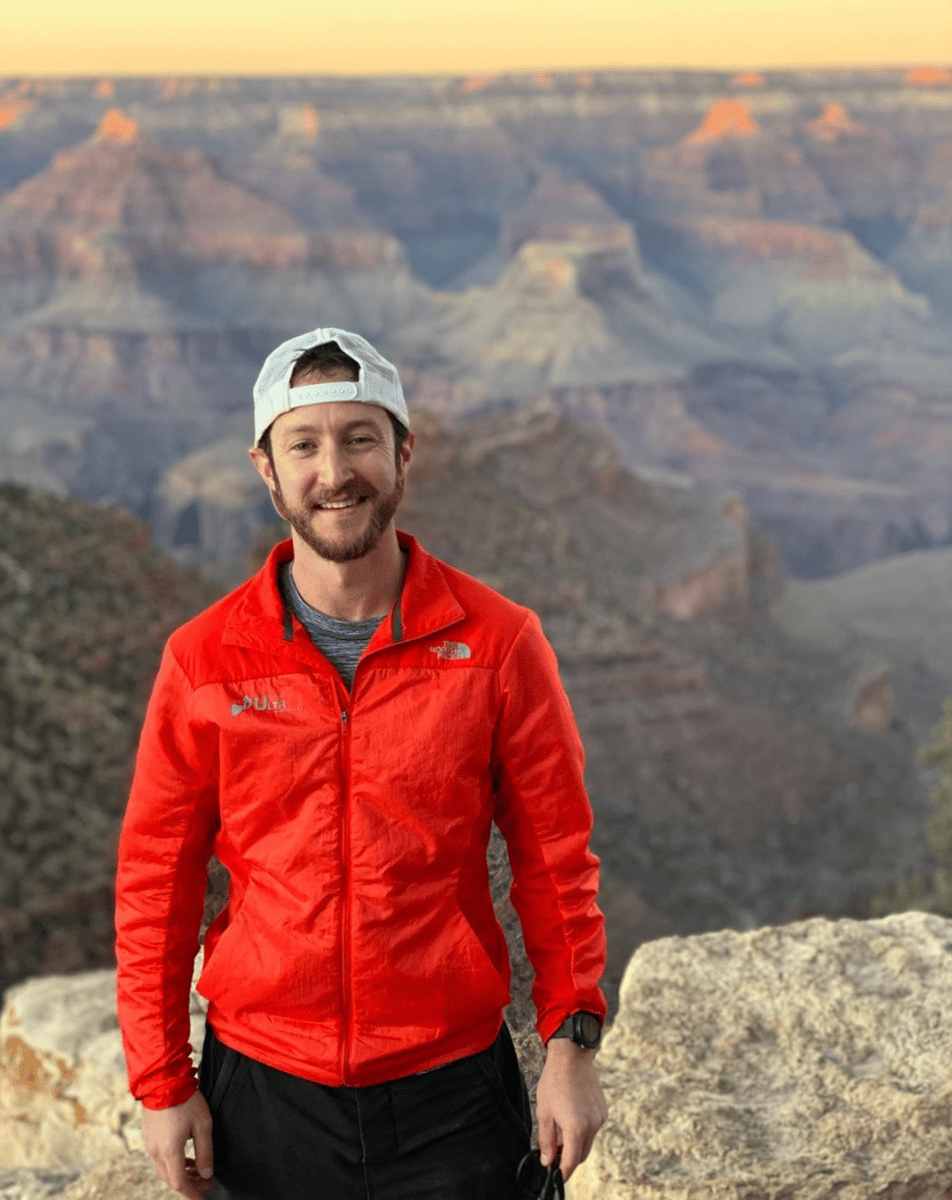
How Vivek Gowri Is Modernizing Running Retail While Honoring 15 Years of Trail Community

When Vivek Gowri takes over as owner of San Francisco Running Company at the beginning of 2026, he'll be inheriting more than just a retail store. He'll be stewarding nearly 15 years of Bay Area trail running culture, community, and legacy built by founder Brett Rivers and cultivated through a pandemic and beyond.
Gowri isn't your typical running store owner. By day, he's a Product Manager at NVIDIA, leading initiatives in gaming and AI hardware. But his two decades in tech hardware and decade in the Bay Area running scene have positioned him uniquely to modernize running retail while honoring the deep community roots that make SFRC special.
🎧 Tune in here:
Listen on Spotify, Apple Podcasts, or other podcast platforms.
From NVIDIA Product Manager to Running Store Owner
Gowri comes to running retail from an unconventional background. As a Product Manager at NVIDIA leading initiatives in gaming and AI hardware, he's spent decades drawn to the physical products side of industries he cares about. After finding the sport through November Project San Francisco over a decade ago, he got pulled deeper into the trail running world through SFRC's Saturday morning group runs in the Marin Headlands.
The decision to take over SFRC came during a moment when Gowri was feeling burned out at work and wanted to spend his time and energy on things he genuinely cared about. The store represented an opportunity to be the custodian of something meaningful, to support a community that had given him so much.
The Business Case for Community-First Retail
Gowri is inheriting a store in remarkably good shape. After the pandemic hit running specialty stores hard, Ted spent five years rebuilding SFRC to its heyday levels. His approach is deliberately iterative, making changes gradually rather than introducing shocks to a 15-year-old institution.
Major changes were already in motion: SFRC closed its San Anselmo location to focus on the Mill Valley store, and the interior has been reimagined as more of a gathering space than traditional product-heavy retail. Going into 2026, the focus includes significantly expanding e-commerce to make more inventory accessible to customers outside the Bay Area.
Making Trail Running More Accessible and Diverse
One of Gowri's core motivations is using the store as a platform to make trail running more diverse. The community has evolved significantly since 2015, when Saturday runs were dominated by pros doing workout-level efforts. Today's runs are more diverse in pace, gender, and racial makeup, thanks to better technology and intentional route planning.
Gowri wants to build on this by partnering with groups like Victor Ballesteros's Renegade Running and Armando's Nth Degree Running Group, who've done exceptional work building communities for runners of color. The Bay Area itself is wildly diverse compared to trail running hubs like Boulder. The people are there; it's about creating spaces where they feel like they belong.
Run with us. One conversation a week with the people shaping endurance sport, and the part of it you can use on your own run. Join 2,500+ runners.
Angel Investing in Running Innovation
Gowri's involvement extends beyond retail. As an angel investor, he's backing companies like Avelo, which is building smart running shoes with embedded sensors. His philosophy: bet on people you trust building products you want to use. Coming from hardware, he needs to believe in both the product vision and the people behind it.
This creates natural synergies with the store. As brands like Avelo build retail networks, SFRC can serve as an early testing ground. It's the flexibility to take chances on new companies that don't have formal distribution yet, staying on the cutting edge of trail running gear and culture.
One concerning trend Gowri observed at The Running Event: excessive SKU proliferation. Too many brands trying to fill every niche, even when they don't fully believe in the products. For smaller brands, the challenge is acute. A great shoe without brand awareness makes no sound. That's why companies like Norda and Mount Coast invest in authentic grassroots marketing through athlete sponsorships, media partnerships, and race presence.
On content strategy, Gowri is realistic about bandwidth. Rather than launching a podcast or YouTube channel, the plan is partnering with existing platforms while significantly upgrading SFRC's social media presence and e-commerce capabilities.
Playing the Long Game
Gowri's philosophy mirrors advice from his CEO: play the game, not the scoreboard. Over the long term, doing the right things for the right reasons pays off. But he's realistic about the privilege this requires.
Most running stores need to play the scoreboard to pay employees and make rent. Gowri is fortunate to not have those same pressures, which changes the decisions he can make. He can prioritize partnerships and products because he values what they're doing, not just revenue per square foot. He can support local athletes without national profiles, helping them chase their running careers.
The key question is whether this community-first approach is sustainable long-term for all stores, or whether it requires financial cushion. His bet is that building trust and doing right by community compounds into healthy business, though he acknowledges the timeline might be longer than most store owners can afford to wait.
Top Takeaways
Stewardship over ownership. Taking over SFRC is about carrying forward 15 years of community and culture built by Brett Rivers and Ted, making iterative improvements rather than revolutionary changes that could shock the system.
E-commerce expansion requires intentionality. SFRC is significantly building out its online presence in 2026, not to compete with megabrands but to extend the store's expertise and product selection to runners who can't visit Mill Valley in person.
Diversity requires platform and partnerships. Making trail running more accessible to people of color means leveraging the store's position to support groups like Renegade Running and Nth Degree, while using personal relationships to encourage friends to show up and change the community composition.
Angel investing creates product-retail synergy. Backing companies like Avelo allows Gowri to support innovation he believes in while creating opportunities for the store to be an early testing ground for emerging brands that don't have formal distribution yet.
Authenticity beats advertising in running. New shoe brands need grassroots social proof through athlete sponsorships, media partnerships, and race presence. Instagram ads alone don't build credibility in trail running communities.
Playing the long game requires privilege. Community-first retail that prioritizes doing the right things over maximizing revenue is easier when you don't depend on the store to pay your bills, though Gowri believes it compounds into business success over time for those who can afford the timeline.
Stay Connected
🎧 Tune in here:
Listen on Spotify, Apple Podcasts, or other podcast platforms.

Pssssst. Click above to follow along on Substack 👆
About Jon Levitt and For The Long Run
Jon is a runner, cyclist, and podcast host from Boston, MA, who now lives in Boulder, CO. For The Long Run is aimed at exploring the why behind what keeps runners running long, strong, and motivated.
Follow Jon on Instagram, LinkedIn, and Twitter.
