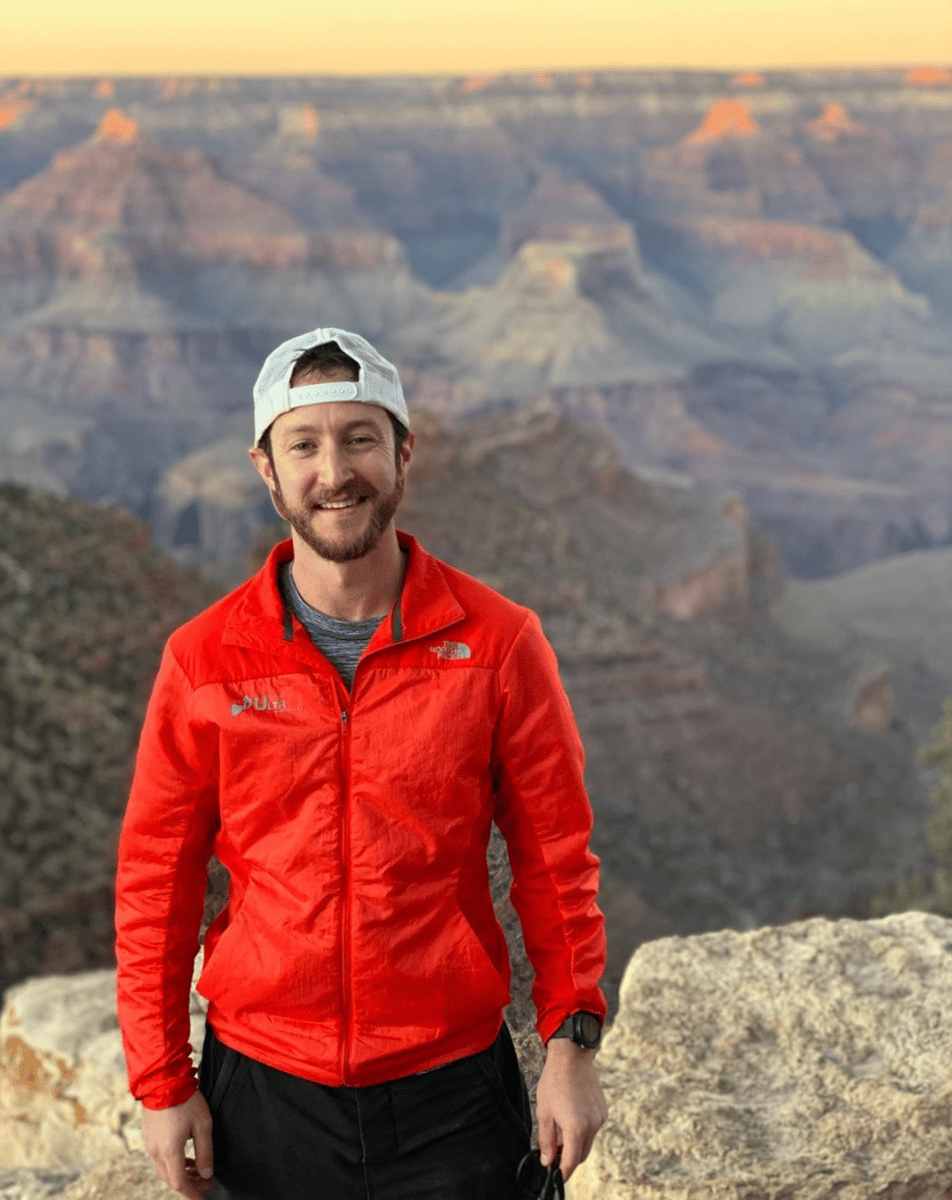
How Running Saved a Veteran's Life: Finding Purpose in Ultramarathons

Running makes Jonathan Mejia feel free. It makes him forget about the woes and the bad thoughts. At times, he feels like he's flying. The runner's high is the best drug he's ever taken in his life.
But the path from suppressing emotions as a military veteran to finding this freedom on Colorado trails wasn't linear. It started with a David Goggins video on a cold December day in New York, a decision to stop waiting, and a four-mile run that became a 45-day streak that changed everything.
🎧 Tune in here:
Listen on Spotify, Apple Podcasts, or other podcast platforms.
From Military Service to Running Freedom
Jonathan grew up in New York, joined the Army, served in Germany, and navigated the challenging transition back to civilian life. He worked in film, then COVID happened and work dried up.
Late December, a David Goggins video appeared: "you could do it." It brought him back to his military mindset. He would go run the next day. Then the video replayed. Why wait?
He got up that day and ran four miles. Then forty-five days straight. His loved ones begged him to take a day off, scared he would get hurt. He had fallen in love with something he'd been doing his whole life.
As a kid, he played tag and manhunt. In high school JROTC, he ran constantly, though he thought he hated it. Now on Colorado trails, it reminds him of being a kid, like playing a video game, forgetting problems while confronting what needs fixing.
Breaking the Silence on Mental Health
Jonathan speaks openly about his struggles because he understands the importance of veterans addressing mental health. Military service affected how he handles relationships and emotions. He suppressed feelings for years, leaning into alcohol as a crutch.
It took years after getting out to realize he had a problem affecting him and those around him. It took even longer to do something about it. That's why he speaks now. When people address their struggles, they're helping the next person.
Seven years ago, an old Army sergeant told him something. A year ago, 12 miles into a run, those words came back and made sense. They pushed him through that last mile. He realized he is that person for others too.
Three years after his first race, a high school friend he hadn't heard from sent a picture holding a race medal. "Yo, Jon, thank you, bro. You've been a big inspiration." If you're changing one person's life, you're making an impact.
"I cannot change the world, but I could change the world around me. Just by being my best self, I have changed lives."
The Journey to Colorado and Ultras
Jonathan moved to Colorado a year ago, inspired by Boulderthon. Years earlier, he signed up for two marathons he didn't finish. The reasons boiled down to needing to show up more for himself.
Moving in spring created the perfect training cycle for September's marathon. He lives by Green Mountain and climbs constantly. He showed up to the Boulderthon shakeout run, set a 5K PR, then a 10K PR during the marathon before finishing his first in 5:34.
Now he's committed to Colfax Marathon in May and looking to do a 12-hour ultra or 50-miler this year. Ultimate goal? Leadville 100. Five years ago he said he'd do it. A year ago he moved to Colorado and ran his first marathon. It's time.
His Leadville dream started with a Nick Bear documentary. He watched it 10 or 15 times. The film, Bear talking about running and community, seeing the struggles, resonated deeply.
When Jonathan sees an ultramarathoner, he sees a life skill he's reaching for. In the past he failed himself because he gave up. It's okay to quit, but then you can't complain you're not where you want to be.
The Borrowed Motivation of Community
What Jonathan loves about Colorado: motivation surrounds him. On days with no motivation, wherever he's going he sees people working out. Bikes on cars, people moving. It makes him realize he has time to run.
He's a strong believer in borrowed motivation. If he sees someone going hard, it makes him want to go hard. New York friends asked him to play video games. Colorado friends ask if he wants to hit North Table or a trail.
His friend ran a marathon, beat Jonathan's PR, then went home to eat pizza before running another marathon the next day. Jonathan wants that to be him. You're the average of the five people you spend the most time with.
The One Percent Principle and The Epiphany Run
Jonathan practices 75 Easy. One minute of mindfulness daily. When he started last year, seven people reached out saying he got them to do something. It might not be a lot, but it's dedicated. One percent compounds.
His advice: if you want to run, go slow. The military taught prescribed paces. He hated Army running. When he got out, he said he'd never work out again. He became depressed.
Give that little bit. You deserve it. Believe in yourself enough to do it for two weeks so it can stop sucking.
A few years ago, he ran on psilocybin and took a different route. He ended up at a Smash Brothers tournament and saw old friends from years ago, all doing the same thing.
He didn't want that. He wanted to grow. He started running again and it got quiet. He realized the epiphany: he started his run, he had to finish it. The detour was fine, but the finish line was still there. The fun room was fun, but his dreams were so much better.
The Long Game
Jonathan has sights beyond Leadville: Leadville 100 to Moab 240. Most friends laughed. Three said "I'll see you there." They got it. He wants to run hard races, challenge himself, do it for himself.
What seems bigger than every person who does Moab 240 seems achievable because he sees people who can. That's what he loves about running. People don't realize what they could actually do if they gave it effort.
He's learned not to get so focused on the next step that he forgets to enjoy accomplishments. A colleague achieved something huge and immediately said he needed more. Jonathan refuses that. He'll see his next step but enjoy each race along the way.
"I believe in luck, but I believe in me more. If I work towards it, it will happen. I'm going to work towards it."
Top Takeaways
Running can be therapeutic medicine for mental health struggles. For veterans and anyone suppressing emotions, running provides freedom to forget bad thoughts while confronting what needs to be fixed. The runner's high isn't just a feeling; it's a tool for healing and processing trauma.
One percent given consistently compounds into transformation. You don't need to go hard every day. One minute of mindfulness, one slow run, one small effort adds up over time. Seven people reached out to Jonathan because they saw him showing up with just 1% every single day.
If you want to run, go slow. The military taught Jonathan to run fast at prescribed paces, which made him hate running. When he got out and ran slow on his own terms, he fell in love again. Give yourself permission to go slower than you think you should, especially when starting.
Your life is your choice, and running teaches you that lesson. Even when Jonathan got close to the New York City Marathon and failed to complete the nine plus one program, it taught him that his life is his choice. Running is you versus you, and that mindset transfers to everything else.
Borrowed motivation is real and valuable. Surround yourself with people doing hard things and it makes you want to do hard things. Jonathan moved to Colorado where everyone casually scales mountains and runs marathons, and that community raises his baseline for what's possible.
The finish line is always there regardless of detours. Jonathan's psilocybin-influenced run taught him that fun rooms and distractions are fine, but they don't change the fact that you still have to get to your goal. The less time in fun rooms, the more time pursuing dreams that are so much better.
Speaking about mental health helps the next person. Something someone told Jonathan seven years ago came back to him 12 miles into a run and pushed him through. He's that person for others too. If you're changing one life by speaking openly about struggles, you're making an impact whether you see the metrics or not.
🎧 Tune in here:
Listen on Spotify
Listen on Apple Podcasts
Listen on other podcast platforms
Stay Connected
Follow Jonathan on Instagram: https://www.instagram.com/goodvibesjon/
Learn more about Team RWB: Team RWB Podcast Episode
Follow For The Long Run on Instagram: https://www.instagram.com/forthelrpod/
Subscribe to the For The Long Run newsletter: https://www.forthelong.run/

Pssssst. Click above to follow along on Substack 👆
About Jon Levitt and For The Long Run
Jon is a runner, cyclist, and podcast host from Boston, MA, who now lives in Boulder, CO. For The Long Run is aimed at exploring the why behind what keeps runners running long, strong, and motivated.
Follow Jon on Instagram, LinkedIn, and Twitter.
