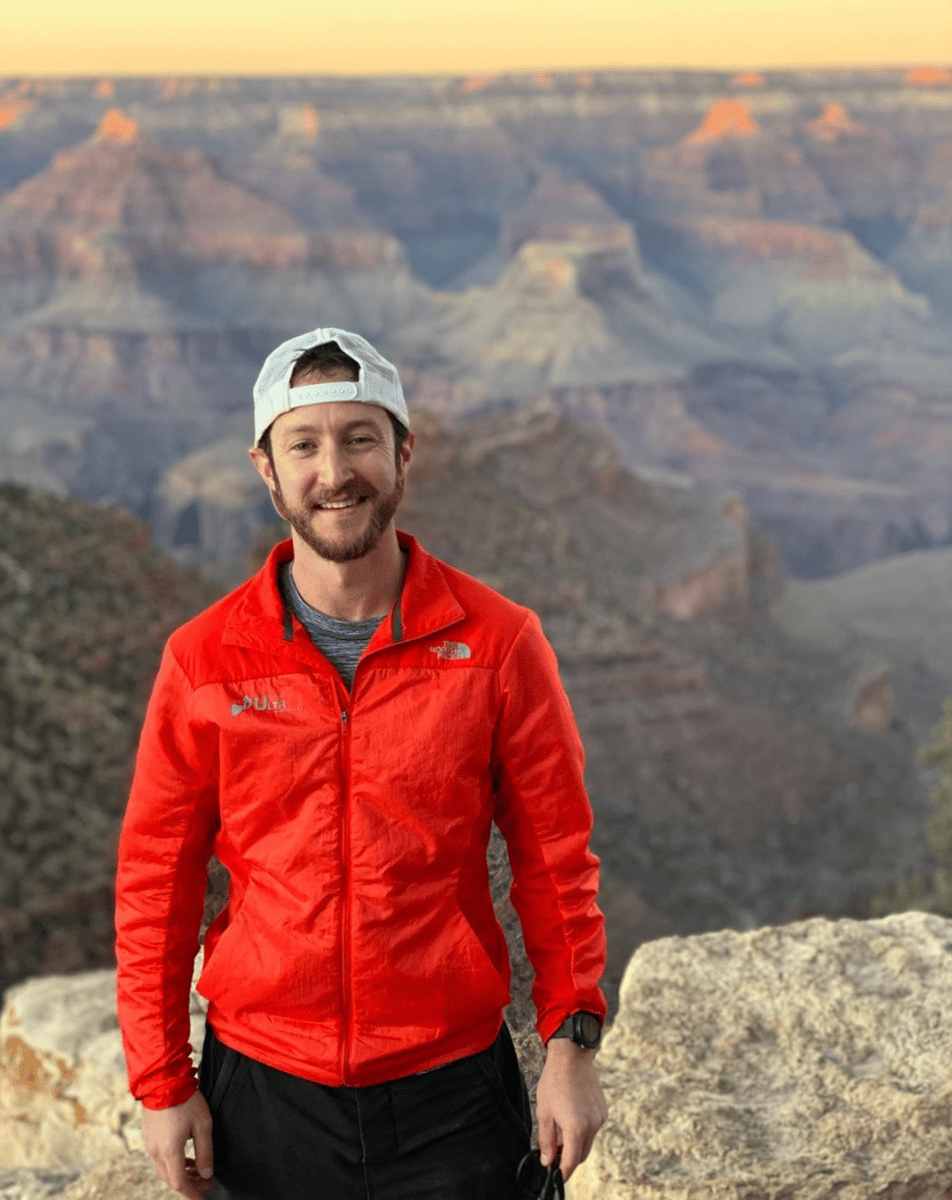
How Demitra Carter Built a Creator Business at the Intersection of Running, Content, and Brand Partnerships

Demitra Carter started running in middle school because she won her first race. She ran Division I track at Baylor, then transitioned to road running after college. But her real career began when she picked up a tiny microphone during the early days of NIL and started asking athletes questions around campus.
That tiny microphone has led to hundreds of thousands of followers, partnerships with brands like ON and Hyundai, becoming the youngest certified World Athletics Agent, and now serving as Director of Influence at Popfly. Her journey reveals how athletes and creators can build sustainable businesses at the intersection of sport, content, and brand partnerships.
🎧 Tune in here:
Listen on Spotify, Apple Podcasts, or other podcast platforms.
From Athlete to Content Creator
Demitra was at Baylor during national championships in basketball with future NFL players on campus. When NIL was about to pass, she recognized the opportunity and became an early adopter with a tiny microphone, asking athletes questions.
The insight was simple: these athletes had incredible personalities fans never saw. Sydney McLaughlin could juggle, but nobody had recorded it. Demitra brought juggling balls, hit record, and it worked. She had to act quickly because ideas have shelf lives. If she pulled out a tiny microphone now, it wouldn't be as impactful as five years ago.
The Youngest World Athletics Agent
Demitra saw the representation problem in track and field agencies. Many athletes look like her, but agents were predominantly older white men. She knew there was space for people who looked like their clients, talked like them, and ran like them.
Agency work and law school were always the goal. She took her World Athletics Agent exam and became the youngest certified agent, then took a three-year break to pursue content creation while maintaining industry connections. The older agents have been welcoming, offering support and acknowledging the need to diversify the space.
Local Dealerships and Non-Endemic Partnerships
The biggest untapped opportunity for athletes heading into LA 2028 is local dealerships and non-endemic brands. Track agents typically just get athletes into meets. But there's massive opportunity to market athletes beyond running fast, showcasing personalities and reach with engaged audiences.
Demitra secured a Hyundai Palisade for 2026 through Popfly after a team member pitched automotive brands on the outdoor space. The partnership works because Hyundai wants adventurous positioning that fits their brand evolution.
For creators wanting local partnerships, create a one-page pitch using Canva or ChatGPT, tailor it to yourself, and go directly to the dealership. These businesses don't have influencer teams searching for creators. Walk in with a pitch during fiscal year resets in January through April when they can find budget.
Endemic Versus Non-Endemic Brand Dynamics
Endemic running brands can spend more per engagement but have smaller overall budgets. Non-endemic brands have larger budgets but lower CPMs because they're piloting. The disconnect often comes down to content quality.
Not every runner is a great content creator. Some perform and go home without capturing it. That limits non-endemic appeal. Demitra points to a professional hurdler who complained about not having a watch deal without posting himself wearing watches.
For bigger running brands, you can tell if someone who knows running is in the company. When you have people who understand the audience, they fight for resources. Without internal advocates, budgets don't materialize. Brand representatives embedded in the sport who push internally create conditions for successful partnerships.
Platform Strategy and Content Approaches
Long-form content is rolling over to TikTok beyond just YouTube. Story times with 10-minute parts get millions of views as people multitask while consuming content. Instagram remains confusing as her largest platform. Currently, on-screen text for photo carousels performs exceptionally well.
YouTube long-form works because you can cut, reuse, and clip segments for multiple pieces of content from one recording. The key is not oversaturating your feed. LinkedIn was bottom priority until recently when consistent posting demonstrated clear opportunity for recognition and rewards.
Authenticity and Taking Stands
Early in her career, Demitra tried staying neutral. She even signed a contract preventing her from saying anything political on personal social media, which she now regrets.
Alison Felix leaving Nike over pregnancy pay became pivotal. It taught her that standing up for beliefs matters regardless of company size. If you're going down, go down believing your beliefs while paving the way for the next person.
Her advice: never regret how you represented what you believe in. Be respectful and professional, but your values are yours. The lawyer side cautions thinking twice about retweets and reposts when building a creator career young, since opinions might change.
LA 2028 Positioning
Every brand is thinking about LA 2028. Demitra worked at Team USA in 2022-23 when they were already planning for LA before Paris happened. The market will boom for American athletes with domestic and international attention.
Track traditionally markets athletes only around performance. But heading into LA, there's opportunity to market personalities and lifestyles. Local businesses all have marketing budgets. Athletes who start building content strategies now, establishing authentic brand relationships, and demonstrating value beyond the track will capitalize when Olympic spotlight hits Los Angeles.
Top Takeaways
Ideas have shelf lives in creator marketing, so execute when opportunities present themselves rather than waiting. Demitra picked up a tiny microphone during NIL's early days and acted immediately, building hundreds of thousands of followers by being an early adopter when the timing was right.
Local dealerships represent untapped opportunity for athletes and creators willing to pitch themselves directly. Create a one-page deck, walk into the dealership during fiscal year resets in January through April, and present rather than waiting for brands to find you.
Endemic brands spend more per engagement but have smaller budgets, while non-endemic brands have larger budgets with lower CPMs. Understanding this dynamic helps creators set expectations and pursue the right partnerships based on their business model and content quality.
Platform strategies require different approaches for each channel. Long-form content works on YouTube and increasingly on TikTok for story times, while Instagram currently rewards photo carousels with on-screen text, and LinkedIn offers opportunity for consistent weekly posting.
Taking stands authentically matters more than maintaining neutrality to avoid losing partnerships. Learning from Alison Felix's Nike departure, Demitra advises representing your beliefs respectfully and professionally because regretting how you represented yourself is worse than losing a brand deal.
LA 2028 positioning starts now rather than waiting until 2027. Athletes who build content strategies, establish brand relationships, and demonstrate value beyond race results will capitalize when Olympic attention focuses on American athletes with both domestic and international audiences watching.
Internal advocates at brands make partnerships successful because people who understand the sport fight for budgets and proper execution. Working with brand representatives embedded in running creates better partnerships than working with those who don't care about the sport or community.
Stay Connected
🎧 Tune in here:
Listen on Spotify, Apple Podcasts, or other podcast platforms.

Pssssst. Click above to follow along on Substack 👆
About Jon Levitt and For The Long Run
Jon is a runner, cyclist, and podcast host from Boston, MA, who now lives in Boulder, CO. For The Long Run is aimed at exploring the why behind what keeps runners running long, strong, and motivated.
Follow Jon on Instagram, LinkedIn, and Twitter.
